The Gracious Table: How the Guests You Choose and the Moments You Craft Define Your Social Signature
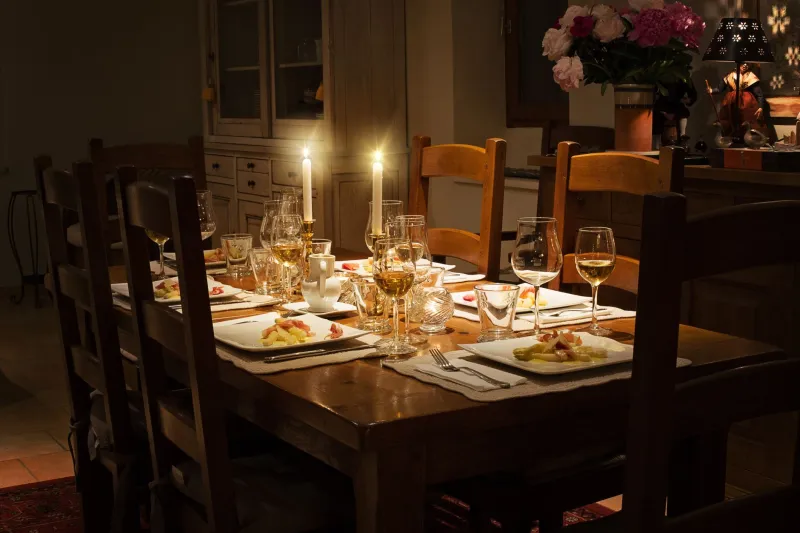
There is a particular kind of evening that stays with a person for years. Not the grand gala with its open bar and orchestrated small talk, nor the obligatory holiday party where acquaintances circle the cheese board in polite exhaustion. The evenings that endure are smaller, warmer, and unmistakably intentional—a dinner where the conversation turned unexpectedly profound, where the candlelight seemed to hold the room in a kind of spell, where every person present felt as though they had been specifically, thoughtfully summoned.
This is the promise of selective hospitality: not exclusivity for its own sake, but curation in service of connection. To host with discernment is to understand that the most generous thing you can offer your guests is not abundance, but meaning.
The Philosophy of the Considered Guest List
Begin before the menu is planned, before the flowers are ordered, before a single glass is polished. Begin with the people.
The composition of a guest list is arguably the most consequential decision a host makes, yet it is frequently treated as an afterthought—a matter of obligation, reciprocity, or convenience. Rethink this entirely. Consider instead what you hope the evening will feel like, and then ask yourself which individuals in your life carry the capacity to create that feeling.
A dinner for eight with genuine intellectual friction—a painter, a retired diplomat, a chef, a civil rights attorney—will produce a different evening than one populated by colleagues who share the same professional vocabulary and professional anxieties. Neither is inherently superior, but each requires deliberate assembly. The host who understands this does not simply invite people; she casts them, the way a thoughtful director assembles a company of actors who will bring out the best in one another.
Consider also the practice of introducing guests who would not otherwise meet. One of the most lasting gifts a host can bestow is a connection that outlives the evening itself—a friendship, a collaboration, a conversation that opens a door neither guest knew existed.
Setting the Stage: Details That Speak Before You Do
The physical environment of a gathering communicates your values before a single word is exchanged. This does not require an interior design budget or a florist on retainer. It requires attention.
Table settings, in particular, carry an eloquence that is easy to underestimate. The choice to use cloth napkins rather than paper signals care. A handwritten place card—even in imperfect penmanship—tells each guest that their presence was anticipated with enough warmth to warrant the gesture. Candlelight flatters both the room and the conversation; it creates the subtle intimacy that overhead lighting categorically destroys.
Flowers need not be elaborate. A single stem in a bud vase, or a low arrangement of herbs from a kitchen garden, can convey more personality and warmth than an extravagant centerpiece that obstructs eye contact across the table. The goal is an environment that feels inhabited rather than staged—a space that bears the unmistakable imprint of the person who created it.
Scent, too, plays a role that is rarely discussed. The smell that greets guests at the door—whether it is something slow-roasting in the oven, fresh citrus, or a quietly burning candle—sets an emotional register for the entire evening before coats have been taken.
The Architecture of Conversation
A gracious host does not leave conversation to chance, and yet the most skilled among them make their orchestration entirely invisible.
The art lies in what might be called seeding: placing small provocations throughout the evening that invite guests to reveal themselves. This might be as simple as a beautifully curated object on the table with a brief, intriguing story attached—a piece of pottery acquired on a trip, a vintage photograph, a book left casually open to a meaningful passage. These objects become conversation anchors, and the stories they generate reveal character in ways that direct questioning never could.
Consider also the deliberate placement of guests. The individual who speaks softly but brilliantly belongs near the host, who can amplify her contributions. The natural storyteller can be seated where his energy will radiate outward. The guest who tends toward monologue might be positioned beside someone with the social confidence to redirect him gracefully.
When dinner itself begins, resist the temptation to default to professional identities. "What do you do?" is the most overused opening in American social life, and it narrows people to their résumés. Instead, consider a single opening question posed to the whole table—something that invites reflection rather than recitation. What is something you have changed your mind about in the last year? What is a place you have been that you have never been able to adequately describe to anyone? These questions do not demand answers so much as they create permission—permission to be interesting, to be honest, to be present.
The Menu as Personal Statement
Food is not merely sustenance at a dinner party; it is autobiography. What you choose to serve—and how you choose to serve it—communicates something essential about who you are and what you value.
This is not an argument for elaborate cooking or imported ingredients. It is, in fact, the opposite. A meal prepared with genuine skill and personal meaning—a grandmother's recipe executed with modern precision, a dish inspired by a recent journey, a seasonal menu that reflects a genuine reverence for what is currently at its peak—will always outshine a technically ambitious spread assembled from trend rather than conviction.
Serving family-style, when the gathering is intimate enough to allow it, transforms dinner from a transaction into a communal act. The passing of dishes, the reaching across the table, the slight informality of it—these gestures create a physical intimacy that plated service rarely achieves.
The Legacy a Table Leaves Behind
There is a reason that the dinner party, as a social form, has endured across centuries and cultures. It satisfies something deeply human: the desire to be gathered, to be fed, to be seen by people who were chosen to see us.
When you host with intention—when you curate your guest list with care, attend to the details that speak without words, and create conditions in which genuine conversation can flourish—you are doing something that extends well beyond a single evening. You are establishing a reputation as someone worth knowing, someone whose table is worth sitting at, someone whose gatherings leave guests feeling not just entertained, but enlarged.
This is the social legacy that selective hospitality builds: not a record of grand parties, but a quiet, enduring impression that to be invited to your home is to be offered something genuinely rare—an evening that was made, in every particular, with you in mind.